
Maternal Ambivalence
Die, My LoveThis thematic thread traces the book's exploration of a mother who loves and hates, saves and abandons her child.
increasing Bearing strength in each event
 decreasing
Bearing strength in each eventdecreasingThe Regret
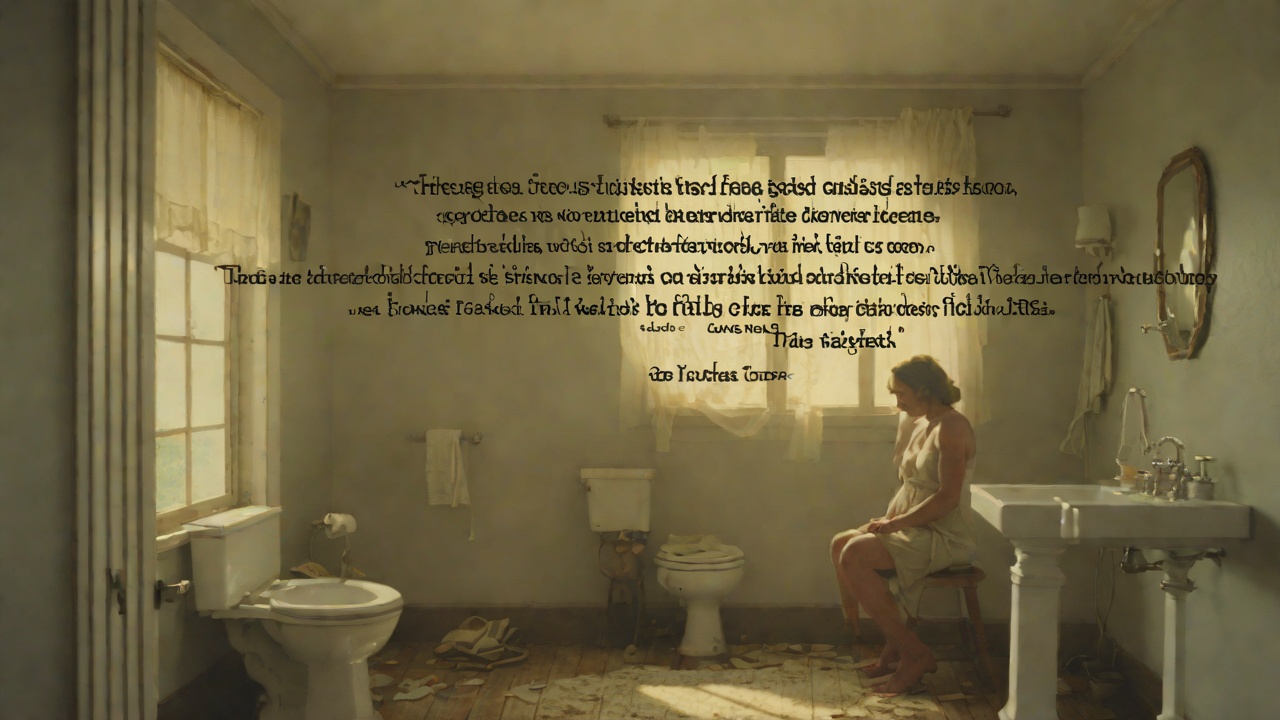
The Regret
Context
The narrator cannot go to the bathroom because the baby cries and cries. She says she is a mother, full stop, and she regrets it, but she cannot say that to anyone.
Turn
She gives him a fake smile and thinks Mummy was happy before the baby came. The whining is worse than crying, and she wants to run away.
Aftermath
The regret becomes a secret that defines her maternity. The book refuses to comfort the reader with easy maternal love.
The Foul-Mouthed Mother
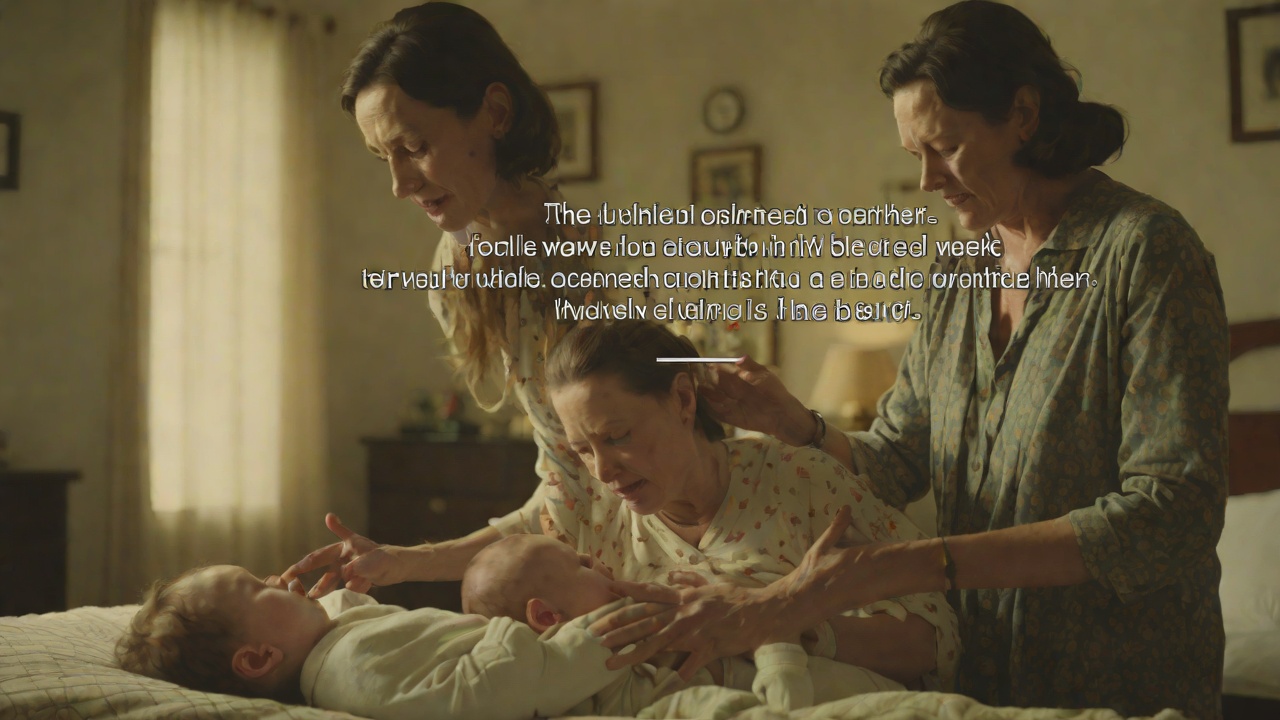
The Foul-Mouthed Mother
Context
The narrator spends the morning swearing at her baby, one insult after another. She says there is nothing she didn't say.
Turn
The baby asks, Mum, pee, and she tells him to pee on his own. She notes that it is not okay to bad-mouth your own baby or walk around firing a gun.
Aftermath
The swearing is a confession of her inability to be the mother she is supposed to be. The taboo breaks in private, where no one can hear.
The Stateless Son
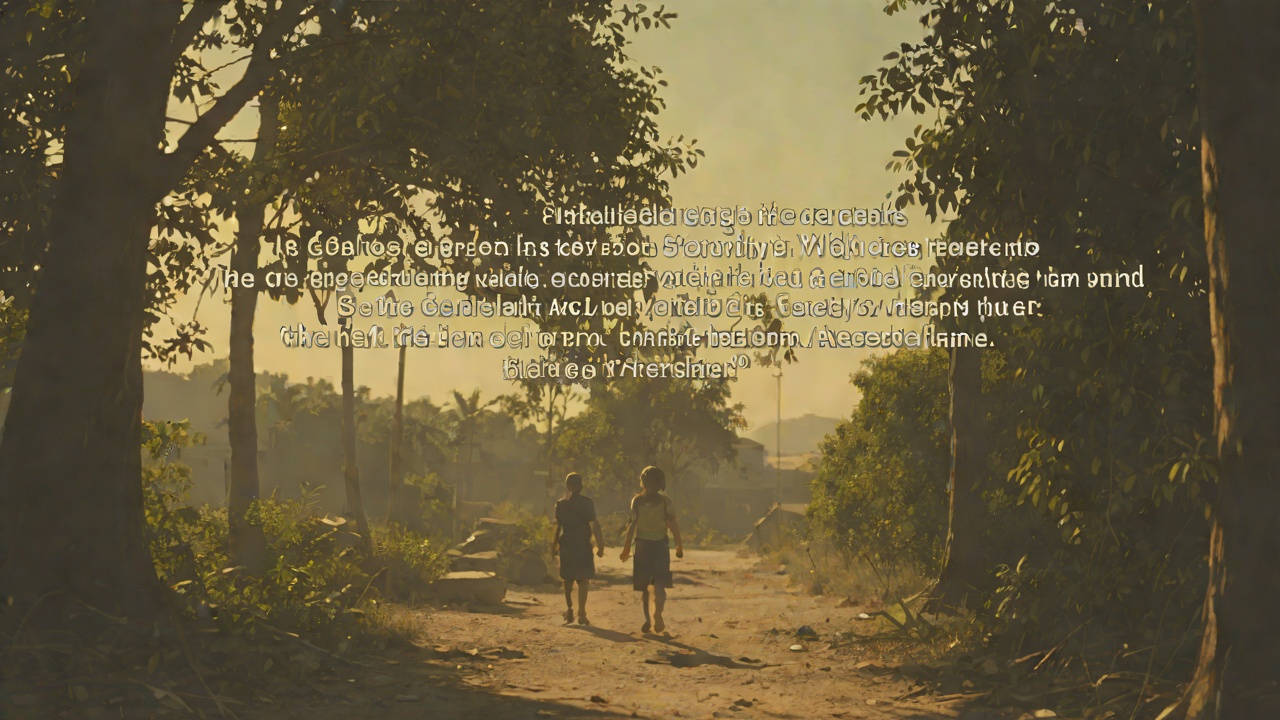
The Stateless Son
Context
The narrator says she wanted a son with no record, no identity, no date of birth or last name or social status. She wanted a wandering son born in the darkest corner of the woods.
Turn
She wanted a child who is not silenced with dummies but rocked to sleep by animal cries. The registered child in the house is a compromise she resents.
Aftermath
Statelessness becomes a figure for maternal ambivalence: she wants a child who does not fully belong to the world or to her.
The Love That Vanished
The Love That Vanished
Context
The narrator wakes in the institution and notices, as if discovering a missing arm or eye, that she no longer feels any love for her son.
Turn
She walks through the building feeling nothing, knocking into a door and a staircase. The absence of love is not grief; it is an amputation.
Aftermath
The maternal bond is revealed as contingent and fragile. The institution does not restore the love; it only measures its disappearance.
The Final Handover

The Final Handover
Context
The narrator shouts from the convertible that her son is all her husband's, a present, gift-wrapped. She says he deserves him more than she does.
Turn
The neighbours whisper that she has lost it again, but she is offering the child as proof of her own inadequacy. The gift is an act of war and surrender.
Aftermath
Maternal ambivalence resolves into abandonment. The child remains with the father, and the mother disappears into the undergrowth.
a day of infant care, before the commitment
a winter Sunday when the baby wakes at seven
after the fireplace accident, while watching the father tend the burns
when the narrator wakes inside the institution
during the escape from the second birthday party
